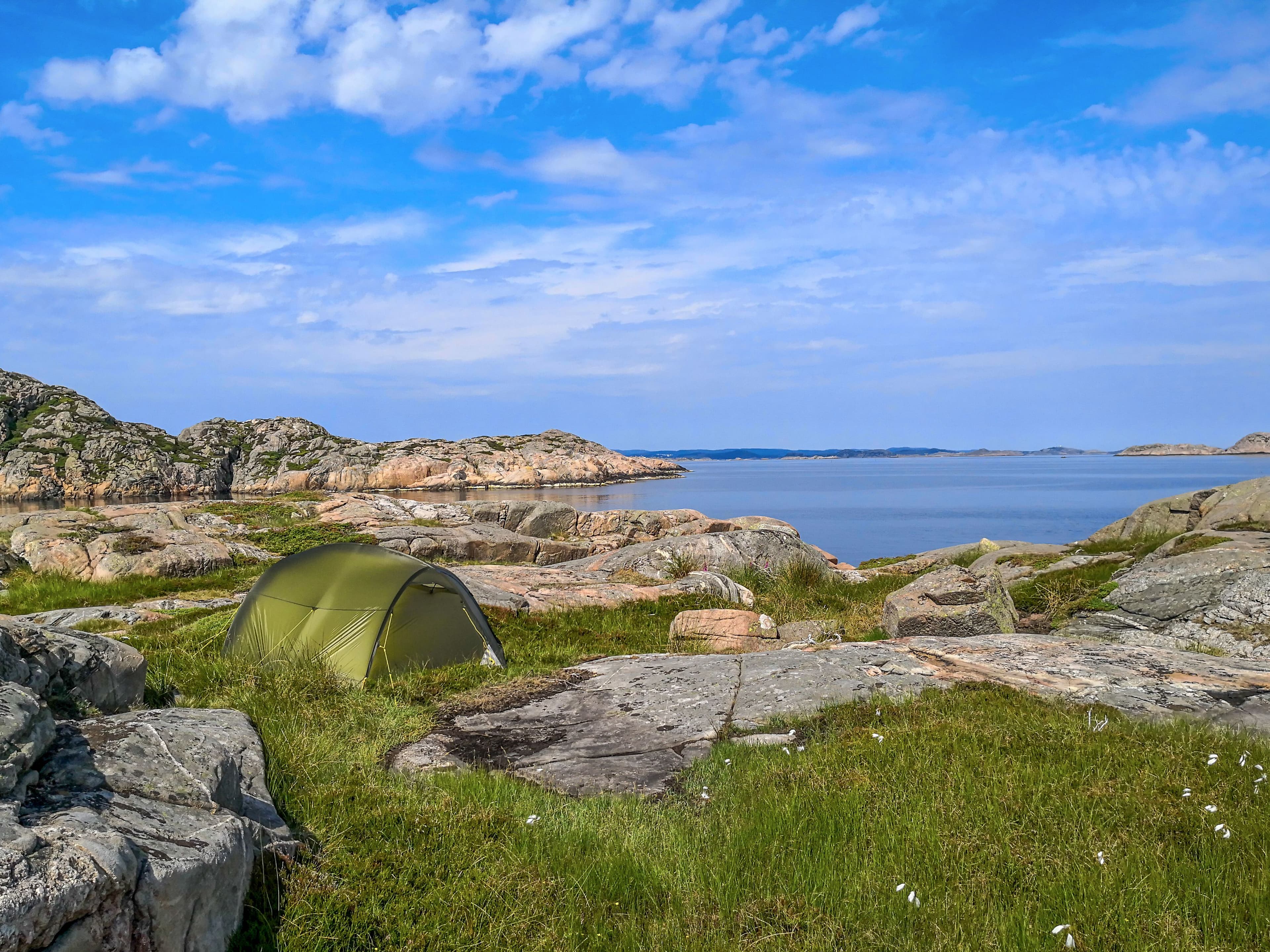
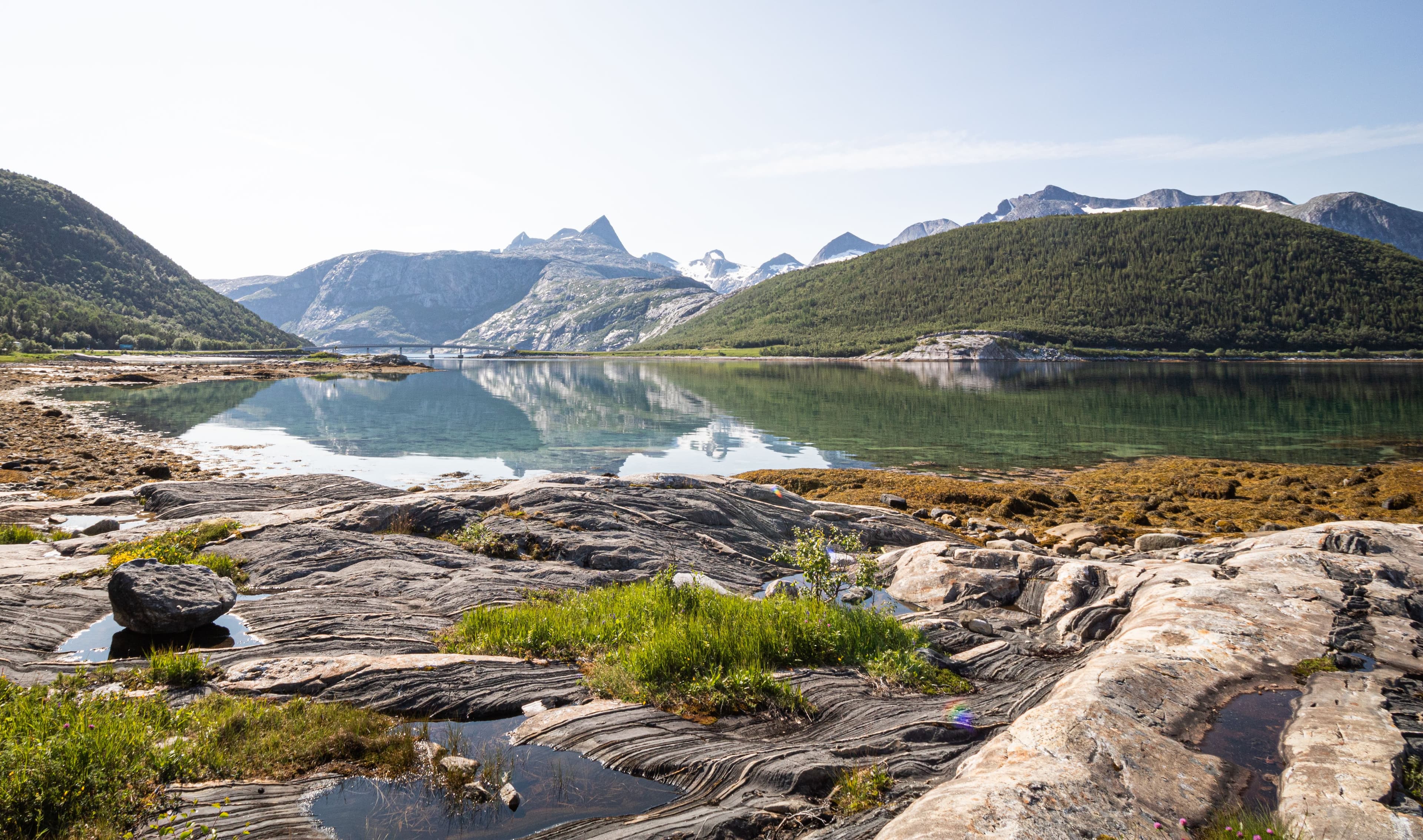
Preikestolen
- Area
- Lysefjorden, Rogaland
- Typical time
- Around 4 hours
- Difficulty
- Moderate
Responsible outdoor travel
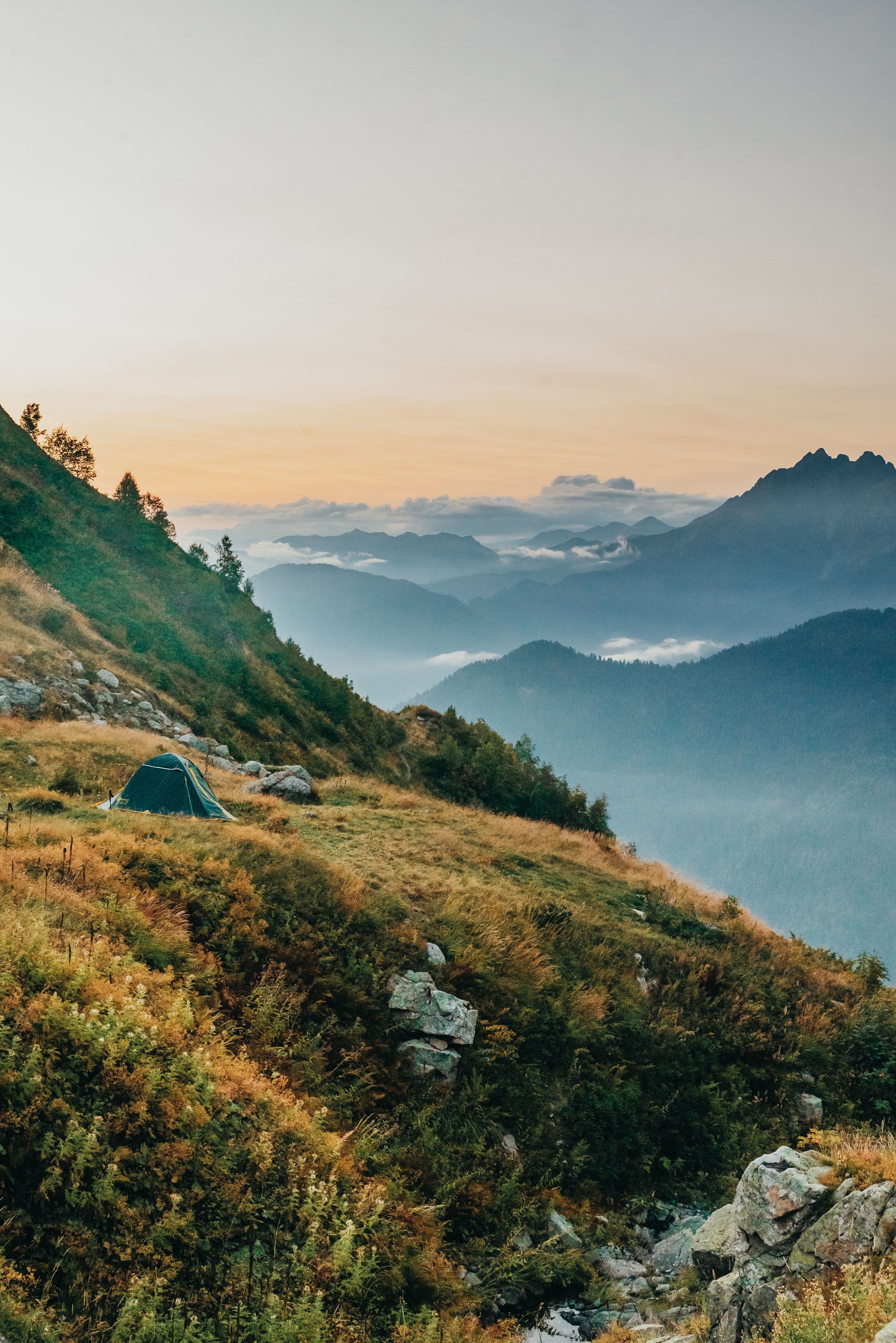
Wild camping can be a quiet, memorable part of a Norwegian trip. Plan around the right to roam, local conditions and the people who live close to the landscape.
At a glance
Yes. Wild camping is generally allowed on uncultivated land in Norway under the right to roam, known as allemannsretten. Stay at least 150 metres from inhabited houses and cabins, normally remain no more than two nights in the same place, and check local restrictions before setting up camp.
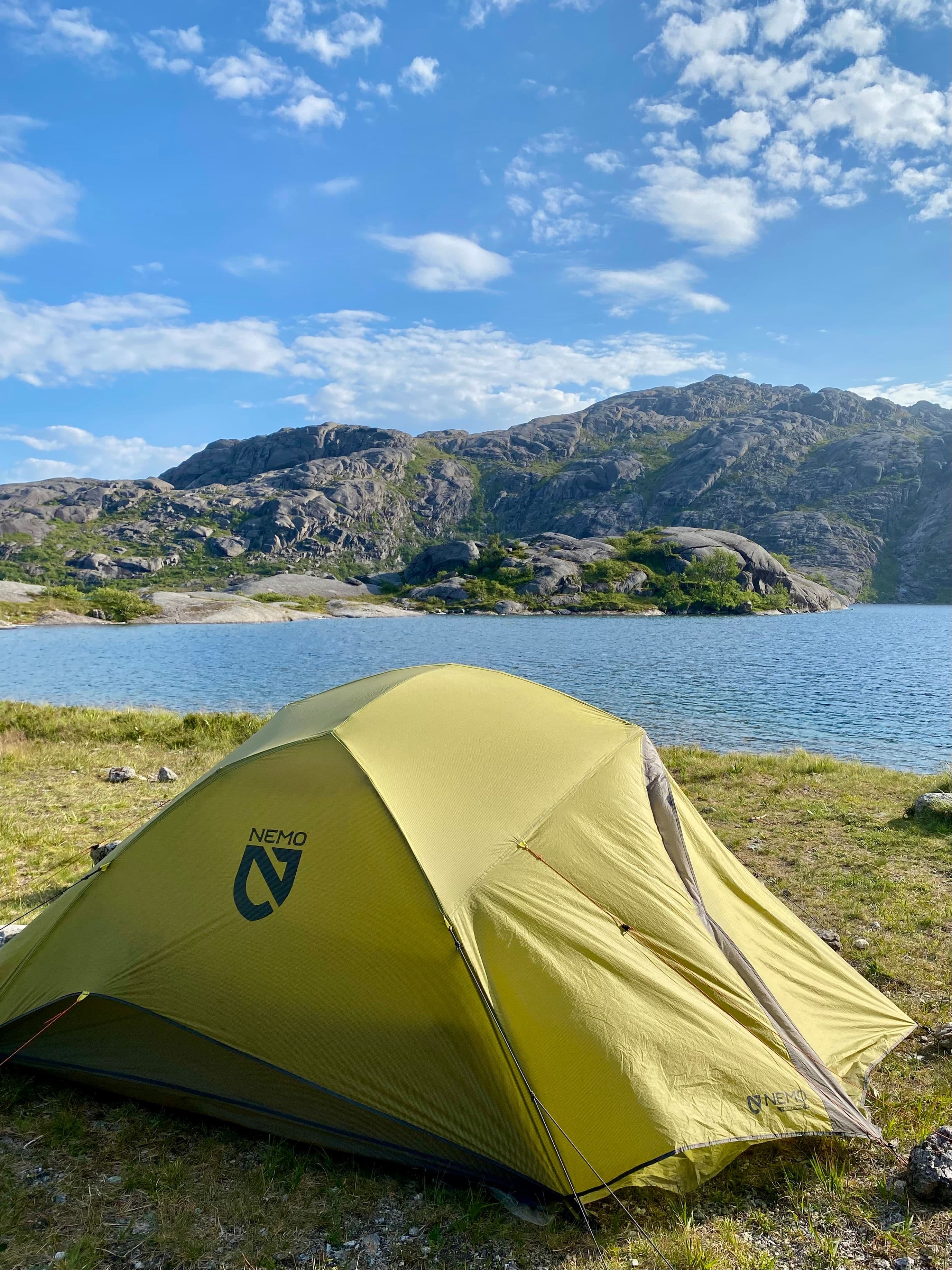
Camping freedom comes with clear boundaries.
Norway's right to roam, known as allemannsretten, generally allows short stays on uncultivated land, or utmark, even when the land is privately owned. A property boundary alone does not decide whether camping is allowed.
The right does not give general permission to camp in gardens, farmyards, cultivated fields, active agricultural areas or other cultivated land, known as innmark. Choose durable ground and move on if a stay may damage the place or cause unreasonable inconvenience to other people.
A tent should normally be pitched at least 150 metres from the nearest inhabited house or cabin. The same minimum distance applies when camping in a campervan or motorhome.
Ask the owner or user for permission if you want to camp closer. In busy places, give homes and cabins more room than the minimum distance whenever possible.
Choose uncultivated land such as suitable forest, mountain or coastal ground. Do not camp on cultivated fields, active farmland, gardens, farmyards, private zones around homes or fragile vegetation.
Private ownership does not by itself prevent camping on uncultivated land. What matters is whether the place is utmark or innmark, together with distance, local rules and the duty to act considerately.
Nature reserves, national parks, popular visitor areas and some municipalities may have their own rules or camping bans. Check local signs and official information for the specific area before you settle in for the night.
A campfire starts with a conditions check.
The general fire ban applies from 15 April to 15 September in or near forests and other uncultivated land. An open fire may only be lit when it is obvious that it cannot cause a fire and no local or stricter ban applies.
Local authorities may introduce stricter or complete bans during drought and periods of high fire risk. Check current fire danger and the rules for the municipality before using any open flame.

Keep a calm alternative ready.
Check weather and hazard conditions for your exact area.
Confirm restrictions, access and parking rules locally.
Choose durable ground away from homes, cabins and farmland.
Plan a second place in case of crowding, wind or closure.
More to explore
Hiking inspiration
These routes span coastal paths, mountain ridges and guided climbs. The times and difficulty below are useful starting points, not a substitute for current route information.
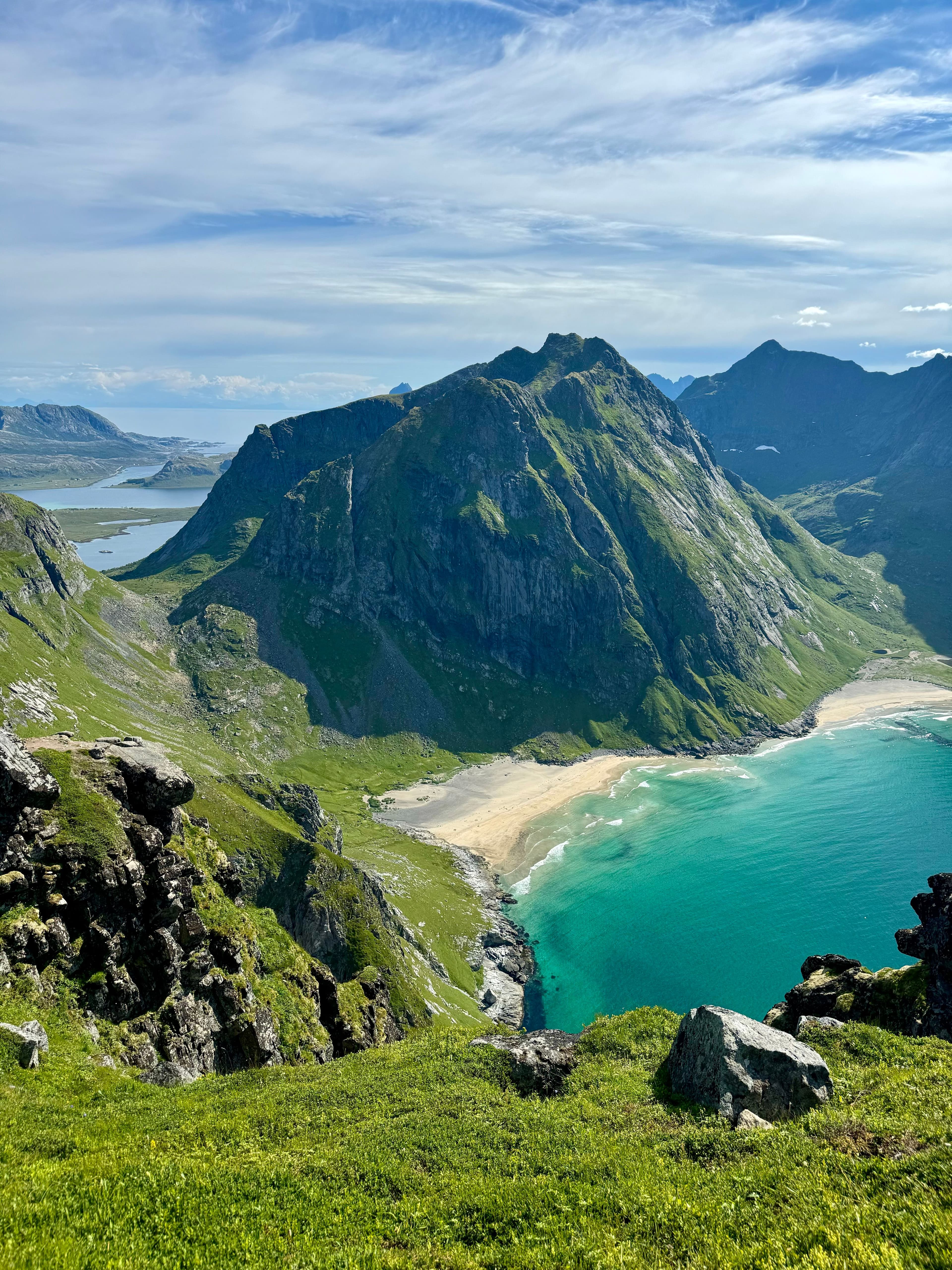
Preikestolen
Trolltunga
Kjerag and Kjeragbolten
Besseggen
Romsdalseggen
Reinebringen
Galdhøpiggen
Gaustatoppen
Segla and Hesten
Dronningruta
Ryten and Kvalvika Beach
Svolværgeita
Keiservarden
Torghatten
The Seven Sisters
Helgelandstrappa
Måtinden
Knivskjellodden
Fløya and Sherpatrappa
Stetind
Aurlandsdalen
Skåla
Rampestreken
Kattanakken
Molden
Get occasional field notes, practical travel updates and new routes from across Norway.
Loading the email form…
No spam. Unsubscribe anytime. Read our Privacy Policy.