Strong aurora base
Tromso is one of the easiest Arctic city bases for northern lights planning, especially for first-time winter travellers.
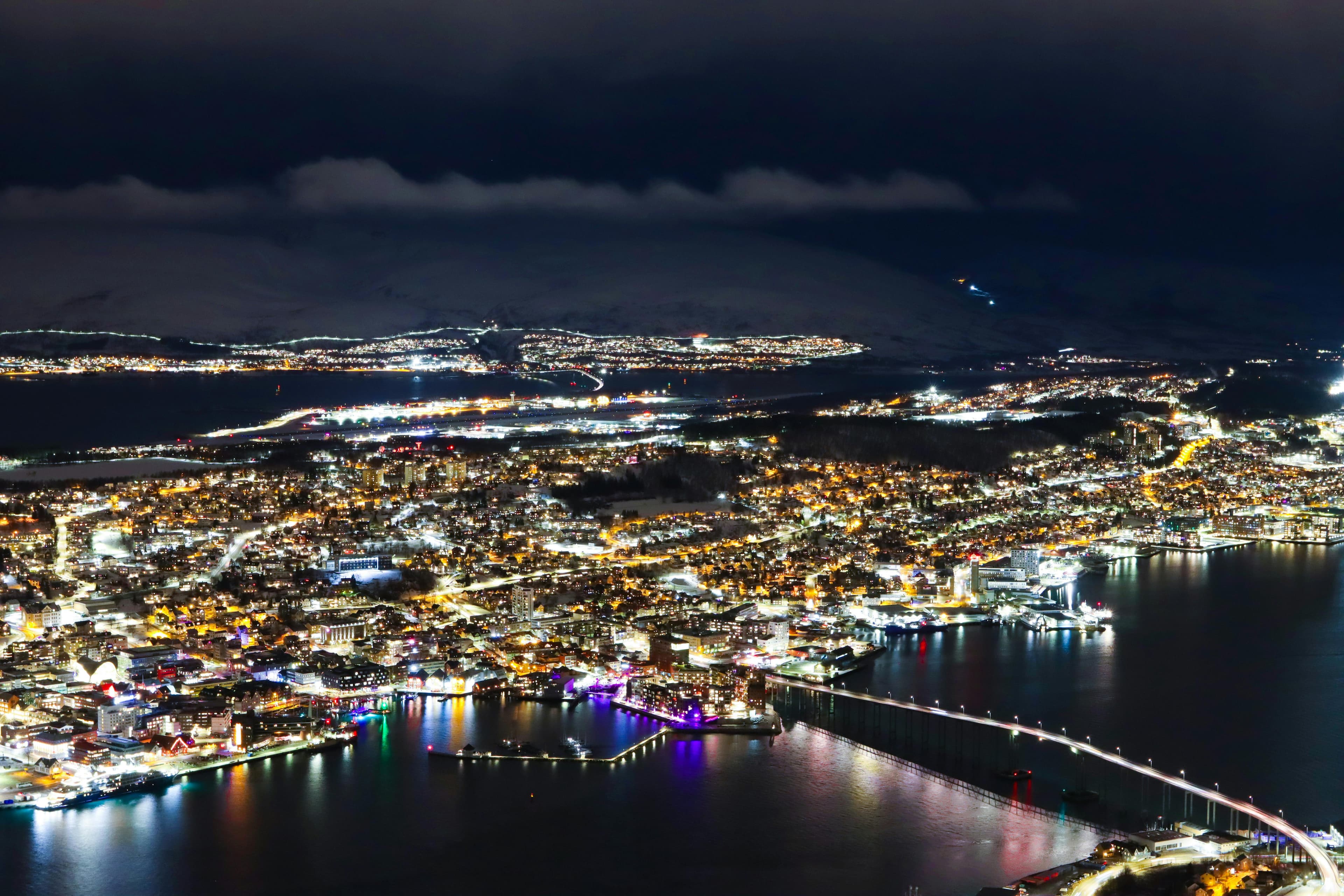
Northern Norway / Troms
Tromso feels like a real city placed inside a huge Arctic amphitheatre. Come for the northern lights, but do not make your whole trip depend on one sky.
01 / First impression
Tromso is one of the easiest Northern Norway bases for first-time Arctic travellers, but the best trips still leave room for clouds, late nights and changing plans.
One hour can look like a city break, the next can feel like a mountain-weather decision. That duality is Tromso's strength.
Use the city for comfort and logistics, then let weather and visibility choose when to push into fjords, coast and aurora windows.
02 / Navigation
Jump directly to the planning blocks that matter most.
03 / Perspective
Tromso is one of the easiest Arctic city bases for northern lights planning, especially for first-time winter travellers.
You get restaurants, museums and harbour life without losing access to mountain weather, fjord landscapes and dark winter skies.
Short airport transfer times and frequent regional connections reduce friction compared with more remote bases.
Many travellers can structure a good trip around tours, city walking and public transport.
Whale watching, dog sledding, reindeer experiences, cruises and mountain viewpoints can all be combined with weather flexibility.
Midnight sun, coastal drives and long evenings make Tromso a different city in warm months.
04 / Orientation
Tromso lies in Northern Norway around 350 km north of the Arctic Circle, with city life on Tromsoya and quick access toward Tromsdalen and Kvaloya.
Tromso works as a city base for northern lights tours, fjord outings, museums and food, while still connecting to Kvaloya, Sommaroy, Lyngen and Senja extension planning.
This makes it one of the most practical first-stop choices for travellers who want Arctic conditions without full remote logistics complexity.
05 / Seasons
November-March
Best for: Northern lights, polar-night blue light, whale watching, dog sledding and Arctic city atmosphere.
Trade-off: Short daylight, clouds, storms, high prices, icy roads and no aurora guarantee.
April-May
Best for: Returning light, snow atmosphere and quieter travel windows.
Trade-off: Aurora fades with brighter nights and mixed snowmelt conditions.
June-August
Best for: Midnight sun, Fjellheisen, Kvaloya, Sommaroy, hiking, road trips and outdoor city life.
Trade-off: No visible northern lights, and weather can still be cold or windy.
September-October
Best for: Early aurora windows, color shifts and quieter atmosphere.
Trade-off: Wet and unstable weather cycles.
Best by goal
Northern lights
September to early April
Whale watching
Beginning of November to end of January
Midnight sun
Around 20 May to 22 July
Road trips
Summer to early autumn
Hiking
Summer to early autumn
Winter atmosphere
December to March
06 / Planning
2 days
City break or stopover format.
3 days
Good first-time minimum.
4 days
Better northern lights and winter balance.
5+ days
Add Kvaloya, Sommaroy, Lyngen or Senja extensions.
07 / Access
The main arrival point for most Arctic city trips.
Airport bus, local bus, taxi and rental car all operate, with options varying by time and season.
Plane, bus and relevant boat links can connect Tromso to wider Northern Norway routes.
Use Avinor, Svipper and Entur for current transport information.
08 / Mobility
09 / Aurora
Tromso is a strong aurora base because it sits under the auroral oval, but clear sky matters as much as aurora activity.
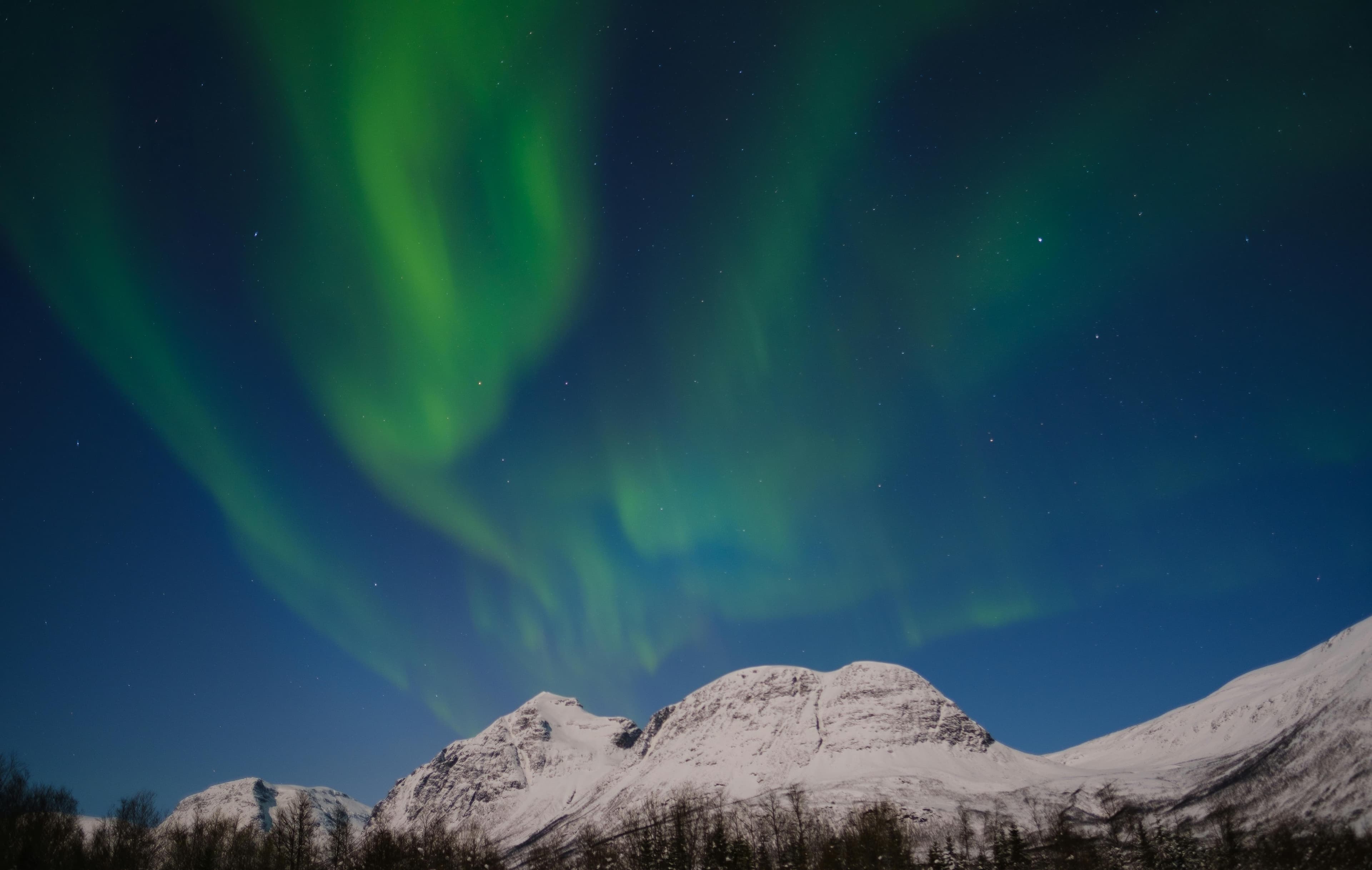
Aurora window
September to early April is the main season, but no sky is guaranteed.
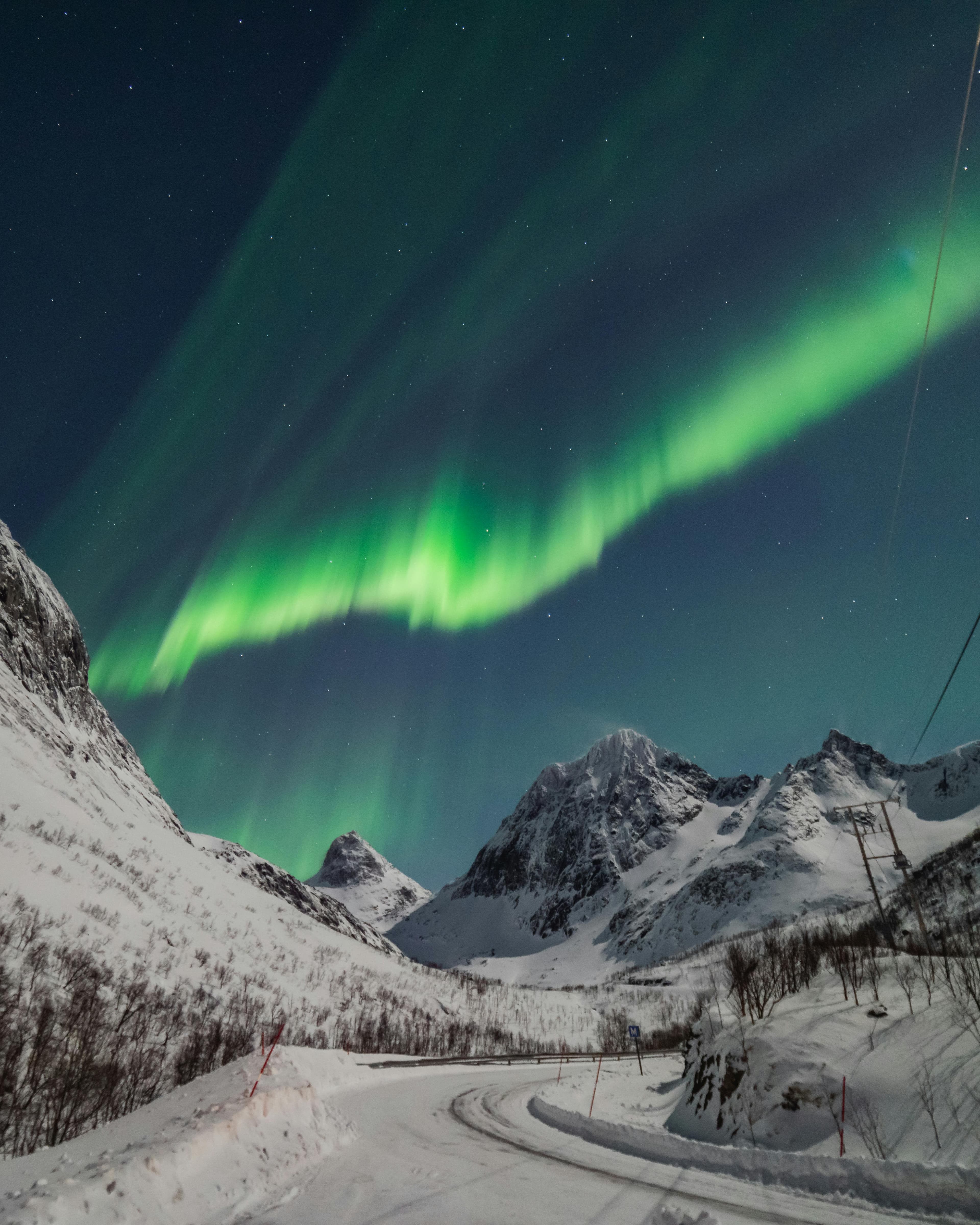
Reality check
Camera sensors often show stronger color than the naked eye in weak aurora conditions.
You are not paying for a guaranteed sky. A good aurora tour gives you local weather reading, safe transport, warm logistics and better odds, not control over clouds.
10 / Winter activities
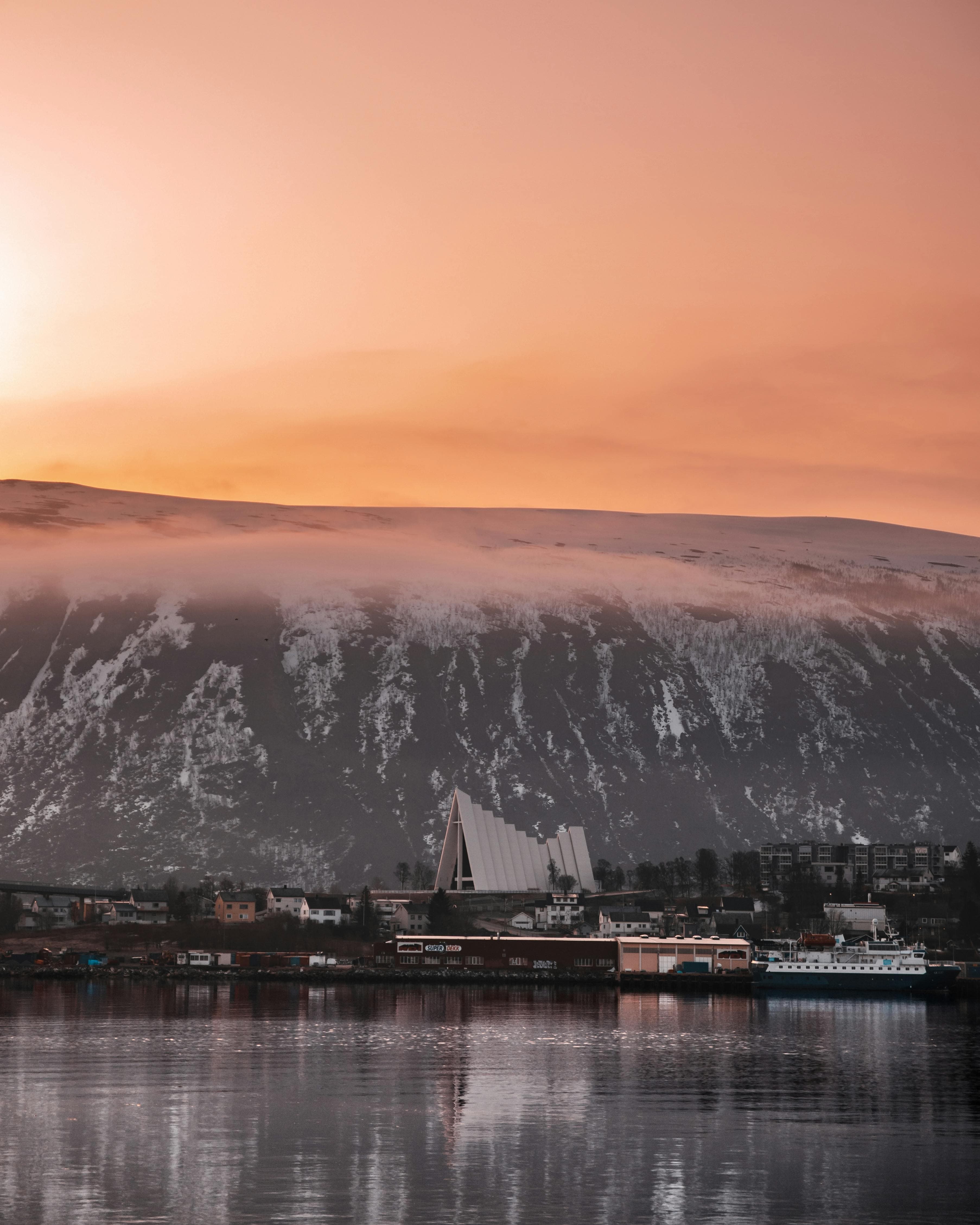
Winter context
Short daylight and weather shifts should shape every tour day.
Useful for weather reading, transport and dark-sky location flexibility.
Seasonal and weather-dependent. Sightings are never guaranteed.
Good lower-impact option when mountain roads are poor.
Book with operators that communicate welfare standards and conditions clearly.
Choose respectful operators and treat culture as living community life, not costume tourism.
Useful active option for short winter daylight windows.
Strong city-overview option when visibility allows.
Essential on cloud-heavy or stormy days.
11 / Summer
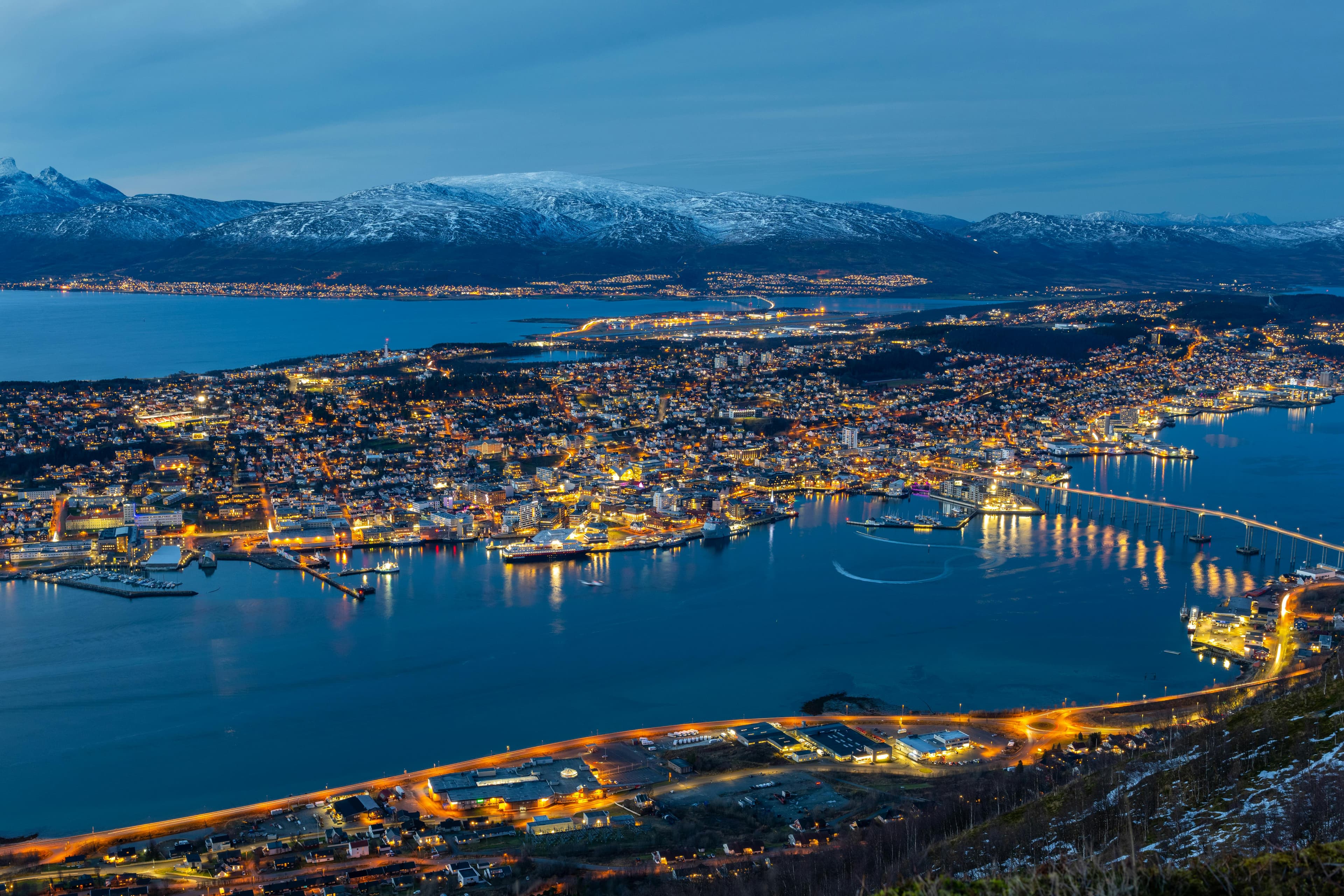
Midnight-sun season
Long-light travel supports slower evenings, later drives and urban-coastal combinations.
12 / Accommodation areas
Use area choices as planning tools, not rankings.
Best for first-timers, tours, food and no-car travel.
Useful for cabins, camping and access toward Fjellheisen and the Arctic Cathedral.
Slower coastal stays with stronger landscape focus.
Regional extension zones, not central city replacements.
13 / Research names
These are well-known places worth researching, not ranked recommendations.
Availability, prices, ownership, opening hours and tour meeting points can change. Always check official websites, trusted booking channels and cancellation terms before booking.
14 / Urban Arctic
Tromso is a real Arctic city, not only a tour base.
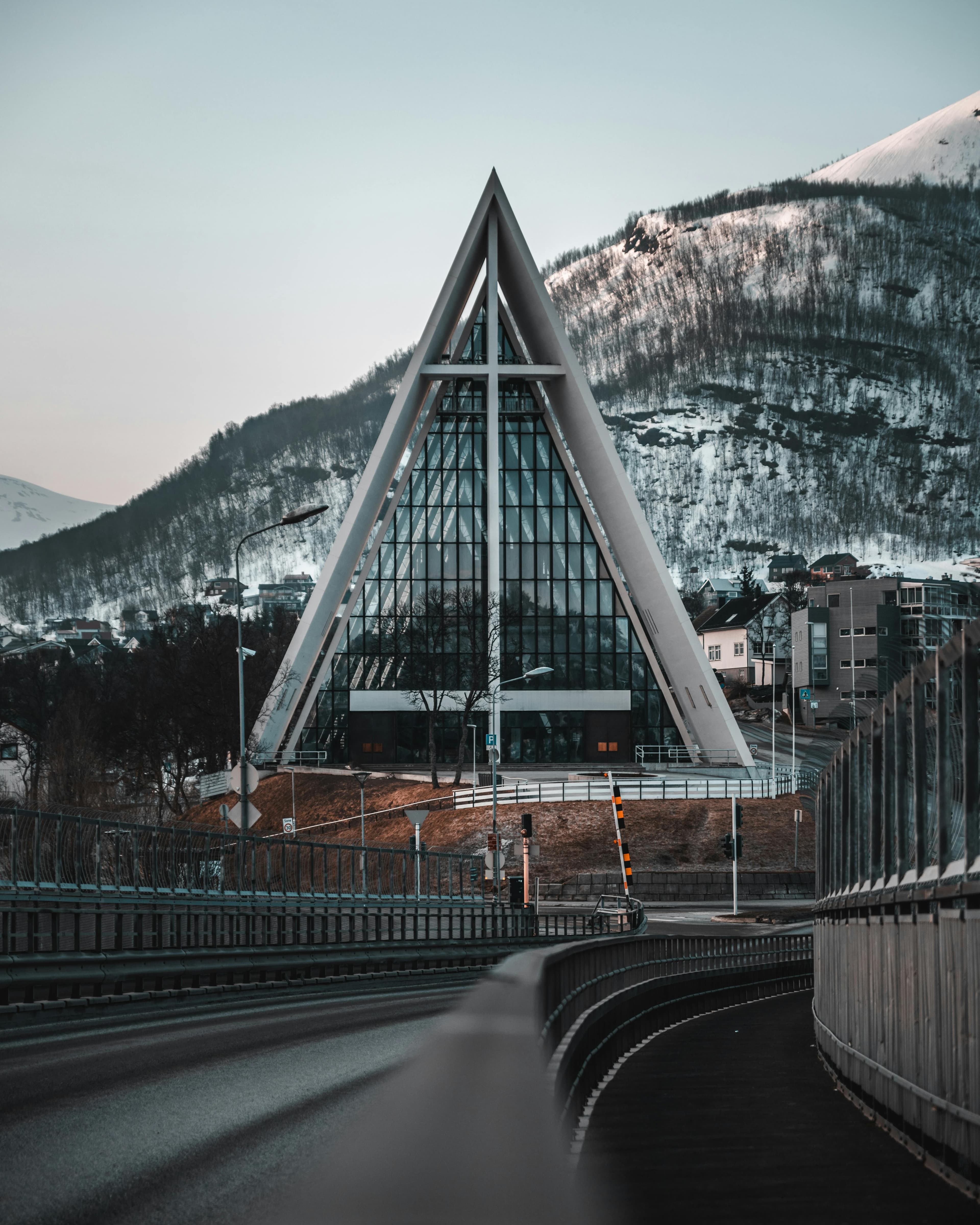
City and architecture
Tromso combines urban routines with clear Arctic identity.
15 / Places
Compact Arctic city rhythm with short distances and strong winter atmosphere.
Practical note: Good base for no-car travellers and evening flexibility.
City, no-car
Working waterfront and low-light city texture.
Practical note: Best in early morning or late evening walks.
Harbour, photography
Panoramic city-fjord contrast.
Practical note: Check weather and visibility before going.
Viewpoint, city overview
Distinctive architecture and winter-lit city identity.
Practical note: Combine with Tromsdalen routing.
Architecture, culture
Accessible Arctic interpretation space.
Practical note: Useful weather backup with educational focus.
Indoor, family
Expedition history and Arctic context.
Practical note: Strong half-day companion to harbour walks.
Museum, history
City narratives and social history perspectives.
Practical note: Useful indoor option in poor weather.
Museum, city life
Broader regional and natural context.
Practical note: Good foundation for longer Arctic trips.
Museum, context
Calm shoreline close to city life.
Practical note: Easy short stop for slower pacing.
Coast, easy access
Quiet urban-nature pause.
Practical note: Simple low-effort walk option.
Nature, urban
Roadside mountain-fjord shifts outside city scale.
Practical note: Best with car and flexible weather timing.
Road trip, nature
Fjord curve and mountain-wall compression.
Practical note: Treat as quality stop rather than quick pass-through.
Fjord, photography
Coastal openness and summer-night color.
Practical note: Can be weather-exposed and schedule-sensitive.
Coast, day trip
Sharp alpine profile with strong seasonal variation.
Practical note: Works best as extension rather than rushed day add-on.
Extension, mountains
Living culture and local knowledge transmission.
Practical note: Prioritize respectful operators and clear context.
Culture, ethics
16 / Itineraries
City core plus one Arctic experience, with realistic expectations.
Balanced first visit with northern lights attempts, city life and one weather-flex day.
More room for tours, weather buffers and conservative aurora planning.
Add Kvaloya, Sommaroy, Lyngen or Senja without compressing the city base.
Central stay, public transport and curated tours instead of self-drive risk.
Three or more nights, flexible evening blocks and no guarantee mindset.
Long-light pacing with fjord drives, city evenings and less pressure on dark-sky timing.
Treat these as frameworks, not fixed schedules. Weather, clouds, tour timing, road conditions and daylight should shape the final route.
17 / Trust notes
Official guidance
Do not expect northern lights to be guaranteed.
Editorial planning advice
Do not stay only one night if aurora is the main goal.
Official guidance
Do not dress for city winter when booking outdoor tours.
Traveller-reported theme
Do not rely on Tromso city centre alone for nature experiences.
Official guidance
Do not rent a car in winter unless confident on snow and ice.
Official guidance
Do not stop dangerously on roads to photograph aurora.
Official guidance
Do not book animal-based activities without checking ethics.
Editorial planning advice
Do not underestimate prices.
Traveller-reported theme
Do not assume public transport reaches every fjord and viewpoint easily.
Editorial planning advice
Do not ignore weather cancellation risks.
Official guidance
Do not treat Sami culture as a tourist costume.
Official guidance
Do not fly drones without checking rules.
Editorial planning advice
Do not skip buffer time before flights and tours.
18 / Responsibility
Drone restrictions
Tromso has strict drone constraints because of airport and controlled airspace. Always verify legal status before each flight session.
19 / FAQ
Yes. City life, museums, fjords, winter atmosphere and summer light still make Tromso rewarding without aurora success.
Three days is a good first target, with four days stronger for winter flexibility.
Yes. Central stays, tours and public transport can cover a large share of first-time itineraries.
There is no guaranteed month, but September to early April gives the main dark-sky window.
Sometimes, but darker locations usually offer better visibility when skies are clear.
Around 20 May to 22 July.
Commonly beginning of November to end of January, with weather and wildlife variability.
It can be, especially in winter high season, so early planning and flexible choices help.
It can be challenging for inexperienced drivers due to snow, ice and fast weather shifts.
Tromso is often the easiest first Arctic base; Lofoten and Senja are more road-trip dependent; Alta can suit specific northern-lights or inland priorities.
City centre or harbour areas are usually the simplest first choice for transport and tour logistics.
Only under strict rules, and airport-controlled airspace limits are significant. Always verify before flight.
Get occasional field notes, practical travel updates and new routes from across Norway.
Loading the email form…
No spam. Unsubscribe anytime. Read our Privacy Policy.