Let the ferries set the pace
Build each day around a crossing first, then place driving, food stops and accommodation around the remaining time. A ferry queue or a missed departure should not turn the whole day into a race.
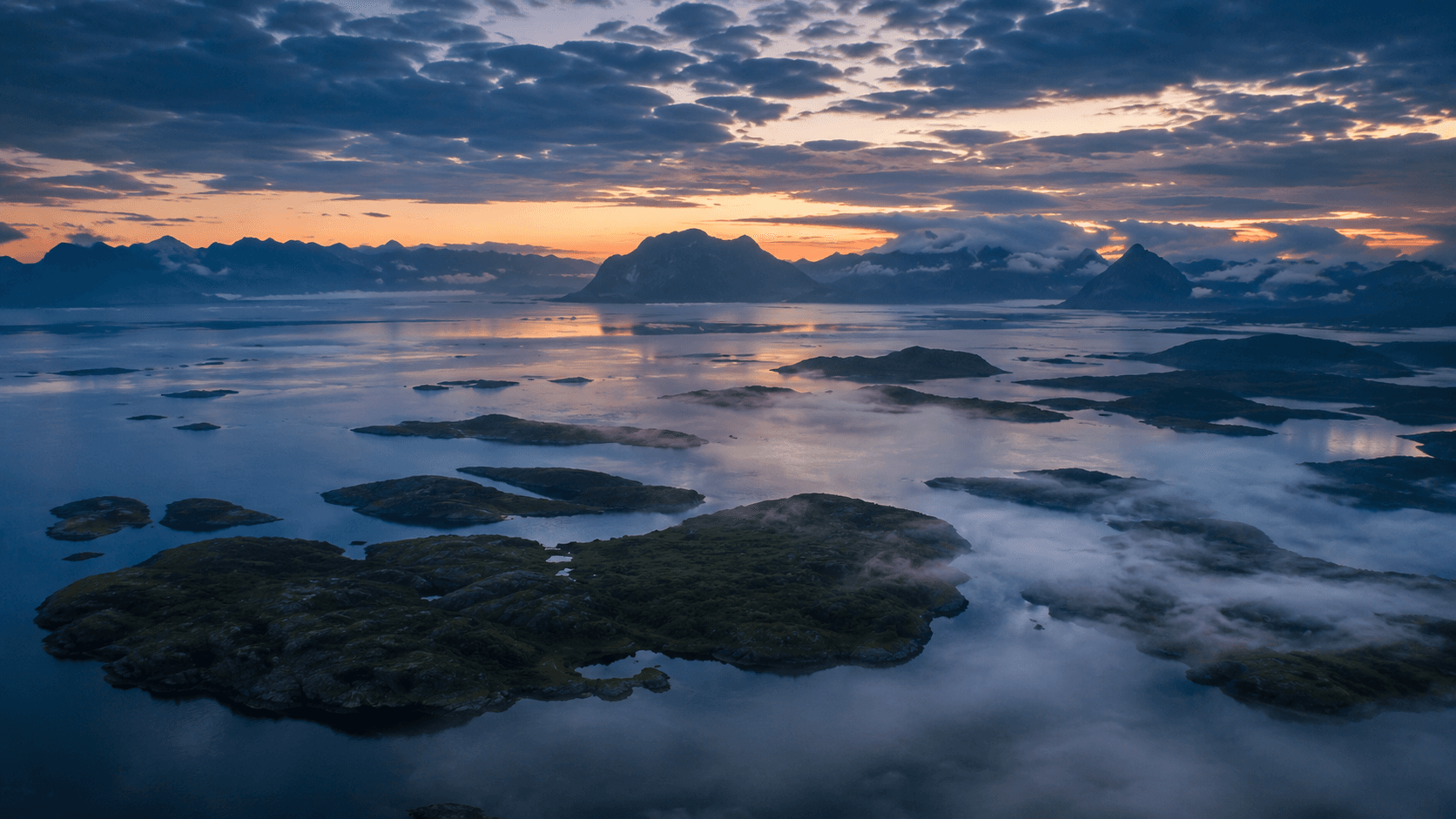
Route field note
A slower route for island ferries, coastal roads and long northern horizons shaped by wind and sea.
Quick route answer
The Helgeland Coast is best driven as a dedicated coastal road trip, with ferry departures setting the day. The scenic route is a slower alternative to the E6; allow five to seven days for a first trip, or more if island detours matter.
01 / Route character
Use Fv17 for the coast and the E6 when speed matters. The scenic route runs between Holm and Godøystraumen, with a Torghatten detour; it is a landscape-led journey, not a faster substitute for the inland road. The rhythm of ferries, quiet coastal roads, small harbours and open horizons is part of the journey.
Build each day around a crossing first, then place driving, food stops and accommodation around the remaining time. A ferry queue or a missed departure should not turn the whole day into a race.
South to north, from Holm toward Bodø, is a natural option for travellers heading north. Drive the other way if your flights, train, rental car or onward journey make that more practical.
The distance on a map hides ferry waits, quay approaches and stops worth making. Plan fewer bases and avoid treating every island as a drive-by detour.
02 / Route length
Three days can cover the through-route at a purposeful pace; five to seven days is a more useful first-trip range. Ten days creates space for island stays, weather buffers and quieter detours.
Minimum
Enough for the coastal through-route and a few short stops, but not for outer islands or a relaxed response to weather. Keep accommodation changes and detours to a minimum.
Comfortable short trip
A realistic length for the main scenic route with Torghatten, the Seven Sisters area or one island-related detour, while retaining useful ferry buffer time.
Recommended first trip
The best balance for two-night stays, a weather-flexible walking day and a choice between places such as Vega, Dønna, Herøy or Rødøy rather than rushing through all of them.
Slow route
Use the extra days for a deeper regional loop, outer-island overnights or time around Svartisen. It also leaves room for ferry changes without sacrificing the journey itself.
03 / Mainline ferries
These are the six main car-ferry crossings on the official Scenic Route Helgelandskysten. Island ferries and express boats are additional connections, not part of this through-route count.
The southern ferry link on the through-route between the Bindal and Sømna sides of the coast.
The Fv17 crossing west of the Seven Sisters area, following the southern ferry link.
A central southern crossing that threads the route between the Vevelstad and Alstahaug sides of Helgeland.
A mainland link that joins the central and northern parts of the coastal drive.
The Arctic Circle crossing on the main route, where an unhurried day is particularly valuable.
The northern scenic-route ferry before Fv17 continues toward the Godøystraumen end of the official route.
04 / Ferry planning
For ordinary car-ferry travel, Reis Nordland currently advises drivers to use the quay queue rather than buy a ticket or pre-book. Payment is normally registered automatically through licence-plate recognition when boarding. Treat that as current operator guidance, not a rule that automatically applies to every boat or special vehicle.
Arrive in good time, join the marked line and follow the crew's loading directions. This is usually simpler than trying to turn every crossing into a reservation.
Reis Nordland recommends arriving early in summer and on public holidays. Build margin into days with a fixed accommodation check-in or an important onward connection.
Capacity and booking expectations can differ for island detours, express boats, larger vehicles and seasonal services. Confirm the exact journey with the operator before setting the plan.
05 / Live travel information
Use Reis Nordland's journey planner or ferry timetable page for the exact sailing you intend to take. Departures, holiday patterns and service changes can vary by season, so do not plan from a copied timetable.
Search the full journey, not only one ferry. The planner is the best place to identify current departures and see whether a day still works end to end.
Review operator traffic messages on the travel day. A delayed service can recover time, so meet the original scheduled departure unless the operator says otherwise.
Use current road and traffic information alongside ferry updates, especially in exposed weather. The Norway ferry guide explains the wider practicalities of ferry travel.
Open guide06 / Seasonal planning
Late spring to early autumn is usually easiest for a first drive because the days are long and the range of open services is broader. The best month still depends on whether you value long light, quieter roads or winter atmosphere.
June-August
Long days make ferry-linked driving more forgiving, and island stays, walks, food stops and activities are more likely to be available. It is also the period when queues deserve the most attention.
May and September
These months can feel quieter and more atmospheric, but daily departures, opening hours and weather tolerance become more important. Check the actual seasonal timetable before booking a chain of stays.
October-April
Choose a smaller section, flexible bases and a weather-aware plan. This is better suited to quiet coastal stays than trying to recreate a summer island-hopping itinerary.
07 / Winter access
The route is not automatically closed in winter, but a continuous road trip depends on current road conditions, ferry operations, weather and available accommodation. Check each road, ferry and service individually before you commit to the next stage.
A road trip is possible when the relevant roads and ferries are operating, but weather, wind and daylight can reshape the practical route at short notice.
From roughly October to April, winter conditions are common on many Helgeland roads. Use suitable tyres, a properly equipped vehicle and only drive within your winter experience.
Ferries may run less often, and individual attractions, mountain trails, cafés and island facilities can be seasonal or temporarily unavailable. Leave more buffer than you would in summer.
08 / Stops and detours
These are practical anchors for a Helgeland itinerary, not a checklist. Choose a few that match your direction, ferry rhythm and weather rather than trying to collect every stop in one drive.
A strong southern base for the pierced mountain, coastal harbour life and a first overnight before the route moves north.
A separate island detour for World Heritage culture, cycling and a slower stay. Add it only when the boat connection and an overnight fit the route.
Use the central coast for the mountain skyline and a base for nearby ferry-linked island roads. A summit day needs suitable conditions and more time than a roadside stop.
Low island roads, farmland and open sea make this a rewarding slower detour from the main Fv17 line, especially with two nights in the area.
Use an extra day or more for these outer-coast places. Their boat links make them memorable, but they should not be fitted into a tight transfer day.
Northern Helgeland combines glacier landscapes with one of the route's distinctive rest areas. Check current access and seasonal services before adding a glacier-related detour.
Ferry planning
Live Helgeland Coast ferry departures now live in the Norway Ferry Guide, alongside practical timing and payment advice.
View live ferry departuresRelated paths
Continue planning
Check the ferry practicalities, then use the map to keep overnight stops and coastal detours realistic.
Get occasional field notes, practical travel updates and new routes from across Norway.
Loading the email form…
No spam. Unsubscribe anytime. Read our Privacy Policy.